
Roofing Contractor in Peachtree Corners, GA Built for Georgia Storms & Heat
Roofs in Peachtree Corners have a hard job. Spring hailstorms bruise shingles you can't see from the driveway. Ninety-degree summers bake the asphalt dry, and tall loblolly pines drop limbs, needles and pollen into every valley and gutter. On top of that, most homes here were built between the 1970s and 1990s, so they're on their second or third roof, and a lot of them have tired decking underneath. Peachtree Corners Roofing Company handles all of it: repairs, full replacements, inspections and emergency tarping. You'll get an honest answer about what your roof actually needs before anyone talks about price.
We're local, and that matters on these roofs. We know the steep, multi-valley rooflines in Neely Farm and Spalding Corners, the HOA color approvals in Amberfield and Berkeley Lake, and the low-slope TPO and modified bitumen roofs in Technology Park. Peachtree Corners has its own permit office, and so do Norcross, Duluth, Johns Creek and Dunwoody. We pull the right permit wherever your property sits. When the next storm moves through, we're already here, not driving in from out of state.
- ✓Bonded roofing contractor
- ✓Fully insured for your protection
- ✓Financing available on qualifying projects
- ✓Free, no-pressure estimates
- ✓Serving a 20-mile radius around Peachtree Corners
- ✓Residential and commercial roofing
- ✓Emergency roofing response after storms
Request Your Free Estimate
No obligation. Fast, honest quotes.
Thank you — your request was sent!
A member of the Peachtree Corners Roofing Company team will reach out shortly. Need help now? Call (770) 525-2174.
Why Peachtree Corners Roofs Wear Out Faster Than You'd Expect
A shingle rated for 30 years doesn't always make it to 20 here. Peachtree Corners combines heavy rain, punishing heat, spring hail, mature tree canopy and a housing stock that's now 30 to 50 years old. Here's what that means for your roof.
Climate: 50 Inches of Rain, Summer Heat and Spring Hail
Metro Atlanta gets about 50 inches of rain a year, and it comes in every month, so your roof rarely gets a long dry stretch. Summer highs sit in the upper 80s to low 90s°F with heavy humidity, and dark asphalt shingles get far hotter than the air on sunny afternoons. Day after day of that heat dries out the asphalt and sheds granules, which ages a roof early. From March through May, north-metro storms bring hail, straight-line winds and the occasional tornado. Hurricane remnants like Irma (2017) and Helene (2024) brought hours of high wind and dropped trees across the region. Ice storms are rare, but the 2011 and 2014 events showed what ice-loaded pines can do to a roof. Shade plus humidity also feeds Gloeocapsa magma algae, the black streaks you see on so many north-facing slopes.
Built Environment: 1970s–90s Homes With Complex Rooflines
Peachtree Corners grew out of Paul Duke's Technology Park plan in the late 1960s and 1970s. Most homes here are two-story traditionals, colonials, ranches and split-levels with steep gables, hips, several valleys, dormers, brick chimneys and skylights. Each of those features is a spot where flashing can fail. Pipe boot collars crack in the sun, chimney counter-flashing pulls loose, and valleys fill with pine straw. Most original 3-tab roofs have been replaced at least once, and some homes still carry two layers that have to come off. When we tear off, we often find delaminated plywood or OSB at the eaves and valleys, plus fascia rot behind gutters that overflowed for years. Many of these homes were also built with too little attic ventilation for Georgia humidity. Low-slope TPO, EPDM, modified bitumen and built-up roofs cover the office and flex buildings along Peachtree Industrial, Jimmy Carter Blvd and Holcomb Bridge Rd.
Regulations: Several Permit Offices, HOAs and Historic Review
Georgia follows the State Minimum Standard Codes, which are the IRC and IBC with state amendments. That means a two-layer shingle limit, a required tear-off when the roof is damaged or already has two layers, drip edge and underlayment requirements, and installation to the manufacturer's wind-rating specs. Peachtree Corners has run its own Community Development department since incorporating in 2012. Duluth, Norcross, Johns Creek, Roswell, Dunwoody, Chamblee, Doraville, Lilburn and Berkeley Lake each have their own building departments too, and unincorporated land falls under Gwinnett or DeKalb County. Georgia doesn't issue a state license for roofing-only work, so it's up to you to check a roofer's insurance and bonding. HOAs in Neely Farm, Amberfield and Spalding Corners often have to approve shingle colors, and Historic Roswell and downtown Norcross may require a certificate of appropriateness.
Market: Long-Time Owners, New Buyers and Storm Chasers
About 42,000 people lived in Peachtree Corners at the 2020 Census. It's one of Gwinnett's more affluent cities, and a lot of owners have been in their homes since the 1980s and '90s. Younger families buying those same homes often face their first roof replacement within a few years of closing. Buyers here do their research. They read reviews, compare warranties and want financing options. After every hailstorm or tropical system, out-of-state crews knock on doors across Johns Creek, Dunwoody and Berkeley Lake. That's why a contractor who'll still be local next year is worth more than the lowest bid.
Common Roofing Problems in Peachtree Corners and North Metro Atlanta
Most of the roof calls we get here trace back to a few local causes: spring storms, big trees, heat and humidity, and older homes with complicated rooflines. Here's how to spot each problem, how serious it is and what fixing it usually involves.
Storm-Fallen Trees and Limb Strikes Emergency
A tree or large limb hits the roof during high wind, a tropical storm or an ice event. It can crack rafters, punch through decking and leave the inside of the house open to rain. That needs tarping and repair right away.
Why it's common hereTall loblolly pines, oaks and sweetgums tower over many lots, especially near the Chattahoochee corridor, Simpsonwood and Jones Bridge Park. Pines have shallow roots in wet red clay, so a saturated spring storm or a tropical system like Helene can bring them down easily. Ice storms, like the ones in 2011 and 2014, load limbs until they snap. Because these trees are so mature, a single failure often damages several rafters instead of a few shingles. When that happens you need someone coordinating with the tree crew, the tarp and the insurance adjuster.
Signs you'll notice- Visible limb or trunk resting on the roof
- Water dripping through ceilings or light fixtures
- Sagging rooflines or cracked drywall upstairs
- Daylight visible in the attic
- Shingles and debris scattered across the yard
- Crushed or detached gutters
Most common in heavily wooded parts of Simpsonwood, the Jones Bridge area and older Spalding Corners lots. Calls spike during spring storms and hurricane remnants, and also come in after rare winter ice events when pines lose their tops.
Our fix: Emergency tarping and dry-in, working with tree removal, photo documentation for insurance, then structural repair of rafters and decking followed by matched shingle replacement.
Hail Bruising and Wind-Lifted Shingles Serious
Hail knocks granules loose and fractures the shingle mat underneath, often without visible holes. High winds break the seal strips and crease or lift tabs. Both shorten roof life and open paths for water.
Why it's common hereNorth-metro Atlanta sits in a busy spring storm track, with hail and straight-line winds most common from March through May. Hail damage is usually invisible from the ground, so many homeowners don't know it's there until a leak shows up a year later. That's often after the insurance claim window has narrowed. Heat-aged shingles are already brittle and lose their seal, so they crease more easily in wind. Our inspections document every bruise and lifted tab with photos so your claim has real evidence behind it.
Signs you'll notice- Dark spots where granules are missing
- Granules piling up at downspouts
- Dents in gutters, vents or AC fins
- Creased or folded shingle tabs
- Shingles found in the yard after a storm
- New leaks after a spring storm
Big 1980s–2000s homes in Johns Creek, Duluth and Berkeley Lake take repeated hail hits, as do Neely Farm and Amberfield. Storm chasers flood these neighborhoods right after every event.
Our fix: A detailed photo inspection, help with the insurance documentation, then targeted repair or full replacement. Class 4 impact-resistant shingles are an upgrade worth considering.
Chimney, Skylight and Valley Flashing Leaks Moderate
Metal flashing seals the spots where the roof meets a chimney, skylight curb, wall or valley. Once it rusts, separates or loses its sealant, water gets behind the shingles and into ceilings and walls.
Why it's common hereHomes from the 1970s through '90s here have steep gables, multiple valleys, brick chimneys and skylights, which adds up to a lot of transitions. Many previous reroofs reused old step flashing or relied on caulk instead of proper counter-flashing. Pine needles pile up behind chimneys and in valleys, which holds water against those joints. About 50 inches of rain a year means any weak spot gets tested often. The good news is that most of these leaks are repairs, not a reason for a whole new roof.
Signs you'll notice- Water stains on ceilings near chimneys or skylights
- Damp or stained wallpaper beside fireplaces
- Rusted or caulk-covered flashing
- Pine straw packed behind the chimney
- Condensation or drips around skylight frames
- Musty odor in upstairs rooms
Very common on colonials and traditionals in Spalding Corners and Neely Farm, and on Dunwoody split-levels near Georgetown and Dunwoody Village, where original skylights and chimneys are still in place.
Our fix: Remove the surrounding shingles, install new step and counter-flashing or a new skylight curb kit, seal the joints properly and clear the valley. No full replacement needed.
Rotted Decking and Fascia From Long-Term Water Serious
Plywood or OSB sheathing and fascia boards soften, delaminate or rot after years of slow leaks, condensation or overflowing gutters. The roof gets spongy and can no longer hold nails securely.
Why it's common hereMany homes here are 40 to 50 years old and on their second or third roof, so the decking has been through decades of Georgia humidity. Poor attic ventilation in 1970s–80s construction traps moisture under the deck. Gutters clogged with pine pollen and leaves overflow, which rots fascia and the edges of the eaves. Since rot is hidden until tear-off, we quote decking per sheet up front so the final bill doesn't surprise you.
Signs you'll notice- Spongy or bouncy spots when walked on
- Sagging between rafters
- Dark, stained sheathing visible in the attic
- Soft or crumbling fascia behind gutters
- Peeling paint along eaves
- Nails backing out of shingles
Turns up on most second- and third-generation reroofs in Peachtree Corners, Old Town Lilburn and Doraville ranches. It's worst at eaves, valleys and under old chimney leaks.
Our fix: Replace damaged decking sheet by sheet at a pre-agreed price, repair fascia and soffit, and fix the ventilation or drainage that caused the rot in the first place.
Cracked Pipe Boots and Vent Seals Minor
Rubber collars around plumbing vent pipes dry out and split in the sun, letting water run straight down the pipe into the attic or bathroom ceiling.
Why it's common hereSummer heat and UV break rubber down quickly, often well before the shingles around it wear out. Most homes here have three to five roof penetrations, so the odds are good that at least one boot has cracked. It's one of the cheapest roof repairs there is, but left alone it can quietly rot decking and stain drywall for months.
Signs you'll notice- Small ceiling stain below a bathroom or vent
- Visible cracks in rubber around pipes
- Drips during heavy rain only
- Rust on metal vent flanges
- Damp insulation around attic pipes
Common on south- and west-facing slopes across Peachtree Corners, Norcross and Duluth, especially roofs 10 or more years old that still have their original boots.
Our fix: Replace the boots with long-life collars or lead or silicone alternatives, reseal the surrounding shingles and check the attic for moisture damage.
Algae Streaks, Moss and Clogged Gutters Minor
Black streaks from Gloeocapsa magma algae, green moss and lichen grow on shaded slopes. Valleys and gutters fill with pine needles, pollen and leaves, and water backs up under the shingles.
Why it's common hereHigh humidity, frequent rain and dense tree canopy make north- and east-facing slopes here ideal for algae. Heavy spring pine pollen and fall leaf drop clog gutters several times a year. When gutters overflow, runoff hits red clay soil and sloped lots, sending water toward foundations. In neighborhoods where resale values matter, streaked roofs also drag down curb appeal.
Signs you'll notice- Black vertical streaks on shingles
- Green moss in shaded areas
- Gutters overflowing during rain
- Plants growing in gutters
- Debris dams in valleys
- Erosion or pooling near the foundation
Found everywhere under the canopy in Simpsonwood, Amberfield and Berkeley Lake, and on mature lots in Historic Roswell. Homeowners preparing to sell ask about it often.
Our fix: Clear debris safely, clean the roof gently and recommend algae-resistant shingles, zinc strips or gutter guards to keep the problem from coming back.
Ponding and Membrane Failure on Low-Slope Commercial Roofs Serious
Water sits on flat or low-slope roofs for more than 48 hours, wearing down TPO, EPDM, modified bitumen or built-up membranes. Seams open and leaks show up inside offices or warehouse space.
Why it's common hereTechnology Park and the Peachtree Industrial, Jimmy Carter and Holcomb Bridge corridors have many 1970s–90s office and flex buildings with aging low-slope roofs. Drains clog with leaves and pine debris, insulation compresses, and heat cycling stresses seams. Frequent afternoon thunderstorms put constant pressure on any weak spot.
Signs you'll notice- Standing water after rain
- Blistering or bubbling membrane
- Open or lifting seams
- Ceiling tile stains inside
- Clogged scuppers or drains
- Wet roof insulation
Concentrated in Technology Park flex buildings, Norcross industrial properties and older retail strips along Buford Highway in Chamblee and Doraville.
Our fix: Core sampling and moisture survey, seam and drain repairs, tapered insulation to fix ponding, or a full membrane replacement that meets current energy code.
Roofing Services for Peachtree Corners Homes and Businesses
We'll recommend the smallest fix that actually solves the problem. Sometimes that's a $400 pipe boot. Sometimes it's a full tear-off with new decking. Each service below is matched to the roofs, weather and building codes you'll find around Peachtree Corners.
Roof Repair ⭐ Specialty
We track down and fix leaks, storm damage, missing shingles, failed flashing and cracked vent boots. The goal is to stop the water and protect the structure without pushing a replacement you don't need.
Our approachWe test the suspected area with water, trace the leak path from the attic and replace damaged shingles with matched profiles. Step and counter-flashing gets rebuilt properly instead of covered in caulk, and we photograph the work before and after.
In Peachtree Corners, GAMany leaks here come from chimneys, skylights and valleys on complex 1970s–90s rooflines in Neely Farm, Spalding Corners and Dunwoody's Georgetown. In those cases, targeted flashing repair often adds years of life to a roof that otherwise has plenty left.
Best for: Homeowners with a localized leak, a few storm-damaged shingles or a flashing failure on a roof that's otherwise sound and still has useful life left.
Roof Replacement ⭐ Specialty
Complete tear-off down to the decking, replacement of rotted sheathing, and a new roofing system with underlayment, drip edge, ventilation and shingles installed to code and to the manufacturer's specs.
Our approachWe tear off every existing layer, inspect each sheet of decking and replace bad sheets at a per-sheet price set in advance. Then we add ice-and-water shield in valleys, synthetic underlayment, ridge ventilation and wind-rated architectural or impact-resistant shingles.
In Peachtree Corners, GASecond and third replacements on 40–50-year-old Peachtree Corners, Lilburn and Doraville homes often uncover two old layers, decking rot and poor attic airflow. We fix all three in the same job and handle HOA color approvals in Amberfield and Berkeley Lake.
Best for: Roofs that are 18–25+ years old, widely hail-damaged, leaking in several spots, or on homes about to be sold or bought.
Roof Installation
New roofing systems for additions, infill homes, townhomes and material upgrades, including architectural shingles, designer shingles, Class 4 impact-resistant shingles and standing-seam metal.
Our approachWe match materials to roof pitch, wind exposure and HOA or historic requirements. Underlayment, flashing and ventilation are designed as one system, and fastening follows the manufacturer's wind-rating schedule.
In Peachtree Corners, GAWe work on infill homes near the Town Center and The Forum, additions in Johns Creek, and premium metal or designer shingle upgrades in Berkeley Lake. Where historic review applies, as in Historic Roswell and downtown Norcross, we choose materials that can earn a certificate of appropriateness.
Best for: New construction, home additions, and homeowners upgrading to metal, designer or impact-resistant roofing for durability and curb appeal.
Roof Inspection
A hands-on look at shingles, flashing, vents, gutters, decking and attic conditions, with a photo report showing exactly what we found and what we'd do about it.
Our approachWe walk the roof when it's safe, check the attic for moisture and ventilation, test for soft decking and document hail and wind damage with labeled photos you can share with insurers, buyers or your HOA.
In Peachtree Corners, GASpring hail in Johns Creek, Duluth and Peachtree Corners often isn't visible from the ground. A documented inspection after a storm gives you facts before a door-knocker shows up, and helps buyers judge an older home's roof before closing.
Best for: Post-storm checks, insurance claims, real estate transactions, and anyone who isn't sure whether they need a repair or a replacement.
Roof Maintenance
Scheduled upkeep that keeps small problems small. That covers debris removal, gutter and valley clearing, sealant touch-ups, pipe boot checks and algae control.
Our approachSeasonal visits timed around spring pollen and fall leaf drop. We clear valleys and gutters, check flashing and boots, secure loose shingles and flag anything that needs repair before it starts to leak.
In Peachtree Corners, GAUnder the heavy pine canopy in Simpsonwood, the Jones Bridge area and Amberfield, gutters and valleys can clog several times a year. Routine maintenance prevents water backup, fascia rot and runoff toward foundations on sloped clay lots.
Best for: Homes under mature trees, owners who want to get full life from a newer roof, and property managers looking after multiple buildings.
Commercial Roofing
Repair, restoration and replacement of low-slope and steep-slope commercial roofs, including TPO, EPDM, modified bitumen and built-up systems, for offices, flex space, retail and multifamily properties.
Our approachMoisture surveys and core samples, seam and flashing repairs, drain and scupper corrections, tapered insulation to stop ponding, and full membrane replacement scheduled to keep tenant disruption low.
In Peachtree Corners, GATechnology Park and the Peachtree Industrial, Jimmy Carter and Holcomb Bridge corridors are full of aging low-slope buildings. We handle commercial permits and the energy-code requirements for insulation and reflective roofing.
Best for: Building owners, property managers and HOAs dealing with leaks, ponding water, aging membranes or planning capital improvements.
Emergency Roofing
Fast response after a tree falls, high wind or a sudden leak. We tarp, dry in and secure the roof to stop further damage, then plan the permanent repair.
Our approachHeavy-duty tarping and temporary dry-in, working with tree removal crews, interior leak checks and full photo documentation for your insurance claim.
In Peachtree Corners, GASpring storms, hurricane remnants like Helene and occasional ice storms drop big pines across Peachtree Corners, Norcross and Dunwoody. Getting the roof dried in fast is what keeps a roof claim from turning into a drywall, insulation and flooring claim.
Best for: Homes and businesses with active leaks, tree damage, or exposed decking after a storm.
How Our Roofing Process Works
No pressure, no surprise change orders, no wondering what's happening. Here's what to expect from first call to final cleanup, including the local permits, HOA approvals and weather that shape the schedule.
Free Estimate and Roof Inspection
- We inspect the roof surface, flashing, gutters and attic
- We photograph every issue we find
- We check decking for soft spots and test for leak paths
- We talk through repair versus replacement in plain language
Local note: After spring hail, we document damage you can't see from the ground so you have evidence before filing a claim.
Clear Written Proposal
- Itemized scope with material options
- Per-sheet decking price stated up front
- Financing options explained for qualifying projects
- Timeline and warranty details in writing
Local note: For insurance work, we follow Georgia's storm-contract rules. We never offer to waive your deductible.
Permits, HOA and Material Approvals
- We pull permits from the correct city or county office
- We prepare shingle samples and specs for HOA review
- We handle historic review where required
- We order materials and confirm the delivery date
Local note: Peachtree Corners, Norcross, Duluth, Johns Creek, Dunwoody and the other cities each run their own permit process. Neely Farm, Amberfield and Spalding Corners HOAs often require color approval.
Installation Day
- We protect landscaping, AC units and driveways
- We tear off and inspect decking, replacing bad sheets as agreed
- We install underlayment, flashing, ventilation and shingles to spec
- We dry in the roof the same day ahead of afternoon storms
Local note: In summer, we start early to beat the heat and watch the radar closely, since metro Atlanta's pop-up thunderstorms make same-day dry-in critical.
Cleanup, Final Walkthrough and Follow-Up
- We magnet-sweep for nails across the yard and driveway
- We haul away all debris
- We walk the finished roof with you and share photos
- We schedule the final permit inspection where required
Local note: We leave you photo documentation you can keep for HOA records, insurance or a future home sale.
Why Peachtree Corners Homeowners Choose Us
Local Roofers Who'll Be Here After the Storm Passes
Every spring and every tropical storm brings out-of-state crews knocking on doors in Johns Creek, Dunwoody and Berkeley Lake. Many of them are gone before the first warranty call. We're based right here and work within 20 miles of Peachtree Corners. We know these rooflines, these trees and these permit offices. If something needs attention after your job is done, you call a neighbor, not a disconnected number. That local accountability is the best protection against storm-chaser scams we know of.
Bonded and Insured, Because Georgia Doesn't License Roofers
Georgia doesn't issue a state license for roofing-only work, so checking a roofer's credentials falls on you. We make it easy. Peachtree Corners Roofing Company is bonded and insured, and we'll share proof before work begins. If an accident or property damage happens on the job, you aren't the one left holding the bill. Ask any roofer who quotes your project for the same documents. If they hesitate, that tells you plenty.
Honest Repair-or-Replace Advice
Complex roofs around here often leak at a chimney, skylight or valley, not across the whole field of shingles. We'll tell you when a flashing repair or a new pipe boot will solve the problem, even though a replacement would be a bigger ticket. When a roof really is finished, with brittle shingles, widespread hail bruising or soft decking, we'll show you the photos so you can see it yourself. Either way, you get the facts and make the call.
Transparent Pricing With No Decking Surprises
Tear-offs on 40–50-year-old homes almost always uncover some rotted plywood or OSB. Some contractors bury that in a vague change order. We put a per-sheet decking price in your proposal before work starts, along with itemized materials and labor. You'll know the cost of every possible add-on in advance. Combined with free estimates and financing on qualifying projects, it lets you budget with confidence instead of bracing for the final invoice.
Residential and Commercial Expertise Under One Roof
Steep-slope shingle work and low-slope commercial membranes are different trades. We handle both. Homeowners get crews who understand architectural and impact-resistant shingles, attic ventilation and HOA requirements. Building owners in Technology Park and along Peachtree Industrial get crews who understand TPO, EPDM, modified bitumen, tapered insulation, drainage and commercial energy-code rules. One trusted contractor for your home and your business property makes things simpler.
We Handle Permits, HOAs and Historic Review
Peachtree Corners, Norcross, Duluth, Johns Creek, Roswell, Dunwoody, Chamblee, Doraville, Lilburn and Berkeley Lake each have their own building departments, plus Gwinnett and DeKalb for unincorporated areas. We know which ones require reroof permits and inspections. We also put together shingle samples and specs for HOA architectural committees in Neely Farm, Amberfield and Spalding Corners, and we prepare submittals for historic review in Roswell and downtown Norcross.
Fast Emergency Response When Trees Come Down
When a pine lands on your roof during a storm, every hour of rain makes it worse. Our emergency roofing service focuses on tarping and drying in quickly, coordinating with tree removal, and documenting everything for your insurance adjuster. Then we plan the permanent repair, including rafters and decking. Fast dry-in is what keeps a roof repair from becoming a ceiling, insulation and flooring repair too.
A Roofing Contractor Peachtree Corners Can Trust
Peachtree Corners homeowners and business owners count on us for skilled work, reliable answers and customer service that doesn't stop once the shingles are on. We earn trust by showing our findings with photos, pricing clearly and standing behind our work.
Bonded • Insured
Roofing Service Areas Around Peachtree Corners
We serve homes and businesses within a 20-mile radius of Peachtree Corners, across Gwinnett, North Fulton and DeKalb. Each community has its own building department, housing stock and HOA rules, and we work with all of them regularly.
Peachtree Corners and Gwinnett
North Fulton
DeKalb Perimeter
We cover a 20-mile radius from Peachtree Corners, including unincorporated Gwinnett and DeKalb County. Not sure if you're in range? Reach out through our contact page and we'll confirm. Not sure if we cover your area? Call (770) 525-2174.
How Much Does a Roof Cost in Peachtree Corners?
Roofing costs here depend on your roof's size, pitch and complexity, plus what turns up once the old shingles come off. Below are the main cost drivers and realistic local ranges, so you know what to expect before we visit.
Roof Size and Complexity Primary Factor
Square footage sets the baseline, but complexity drives the labor. A simple ranch gable in Lilburn goes much faster than a steep two-story colonial in Neely Farm with six valleys, two dormers, a chimney and skylights. Every transition needs flashing and careful cutting. Steep pitches also call for extra safety gear and slow the crew. That's why two homes with the same square footage can come in thousands of dollars apart.
Material Choice Primary Factor
Standard architectural laminated shingles are the most common choice here and offer the best value. Algae-resistant shingles cost a little more and help with black streaks under tree canopy. Class 4 impact-resistant shingles cost more upfront but stand up better to spring hail and may qualify for insurance discounts with some carriers. Designer shingles and standing-seam metal sit at the top of the range and are popular in Johns Creek and Berkeley Lake.
Decking and Structural Repairs Major Factor
On 40–50-year-old homes, tear-offs often turn up delaminated or rotted plywood and OSB at the eaves, valleys and under old leaks. Replacement typically runs about $75–$120 per sheet installed. Fascia and soffit repairs are priced separately. We list the per-sheet price in your proposal, so even if we find ten bad sheets, you'll know the exact cost before the job starts.
Tear-Off Layers and Ventilation Upgrades Secondary Factor
Georgia code limits roofs to two layers of shingles, and some older homes here already have two, so both must come off. Each extra layer adds disposal and labor costs. Many 1970s–80s homes also need better attic ventilation, such as ridge vents, added intake or baffles, to handle Georgia humidity. These upgrades cost a few hundred to a couple thousand dollars and protect your new roof from early wear.
Permits, HOA and Access Secondary Factor
Permit fees vary across Peachtree Corners, Norcross, Johns Creek, Dunwoody and the other cities in our area. HOA approvals and historic review add time more than money. Steep wooded lots, limited driveway access or tight townhome rows near the Town Center can affect dumpster placement and labor. We include these items in your written estimate so they don't show up later.
| Typical project | Details | Estimated range |
|---|---|---|
| Leak Repair or Pipe Boot Replacement | Single leak at a vent, pipe boot or a few missing shingles on a Peachtree Corners or Norcross home | $350 – $1,200 |
| Chimney or Skylight Flashing Rebuild | New step and counter-flashing or skylight curb flashing on a two-story colonial | $800 – $2,500 |
| Full Replacement, Typical Two-Story Home | About 2,400–3,000 sq ft of roof, architectural shingles, tear-off of one layer, modest decking replacement, ridge vent | $11,000 – $19,000 |
| Premium Replacement or Commercial Low-Slope Roof | Large complex Johns Creek or Berkeley Lake home with Class 4 shingles ($22,000–$40,000+), or a 10,000 sq ft Technology Park TPO replacement | $22,000 – $120,000+ |
Financing is available on qualifying projects, so you can handle a necessary replacement now instead of waiting for a leak to force the issue. We'll walk you through the options during your free estimate. A properly installed roof protects everything under it. Dealing with decking, ventilation and flashing correctly the first time costs less than paying for drywall, insulation and mold remediation later, and a sound roof supports resale value in Peachtree Corners' competitive market.
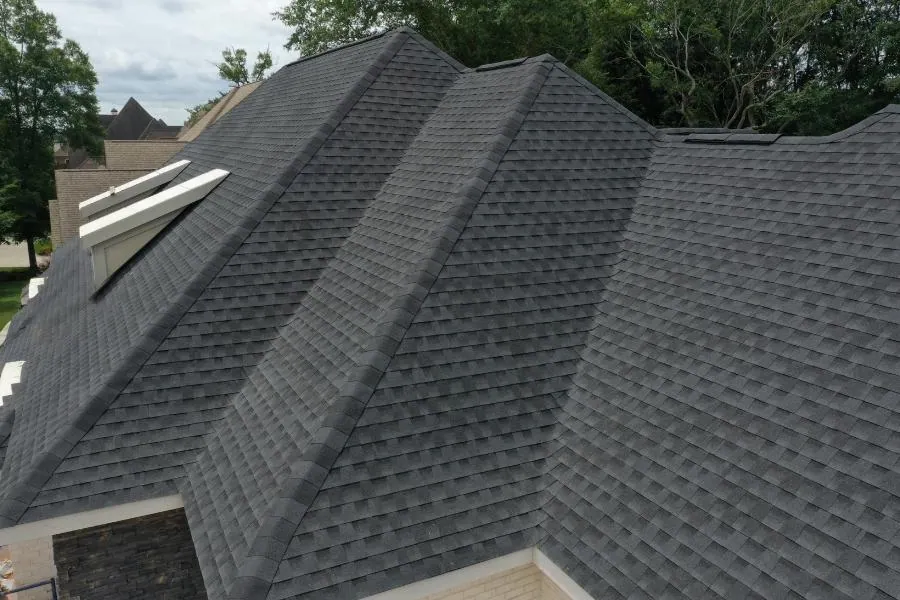
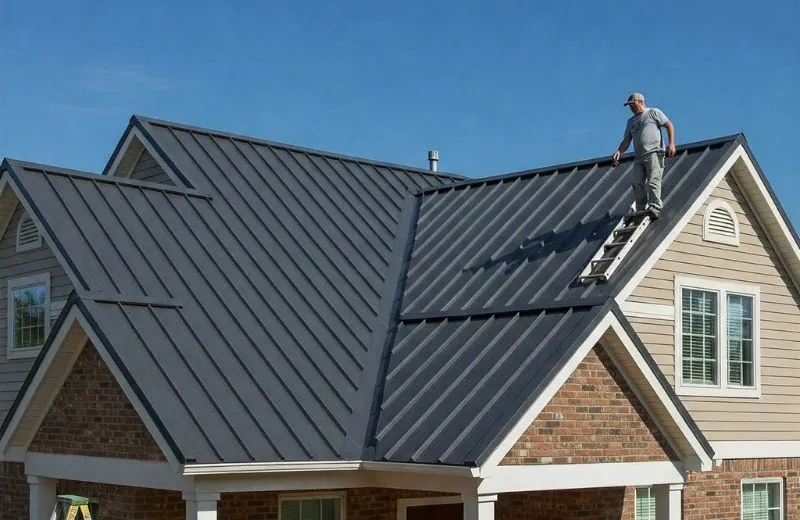
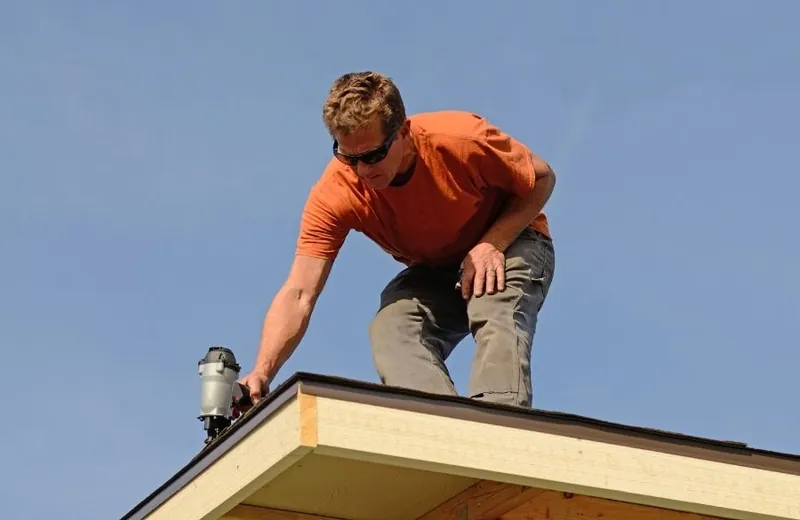
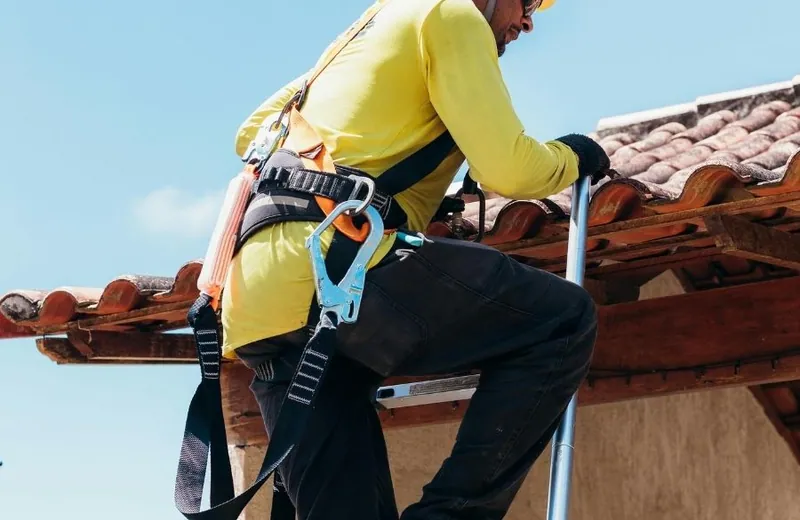
Recent roofing Projects in Peachtree Corners, GA

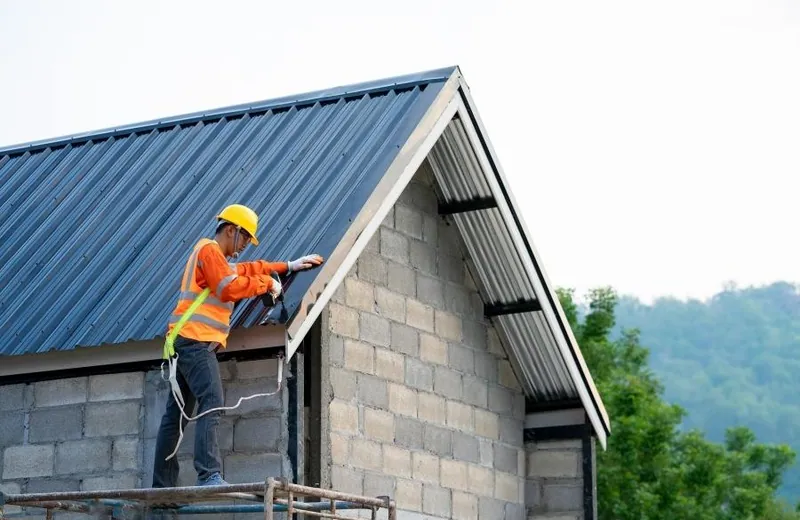
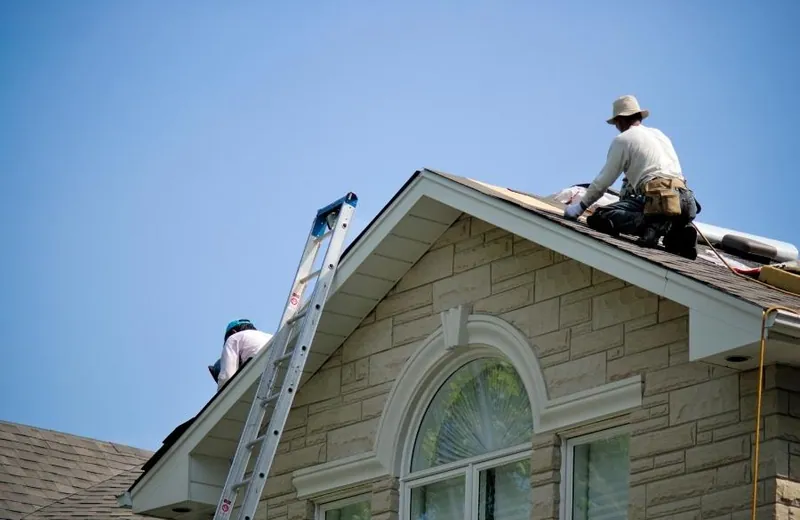
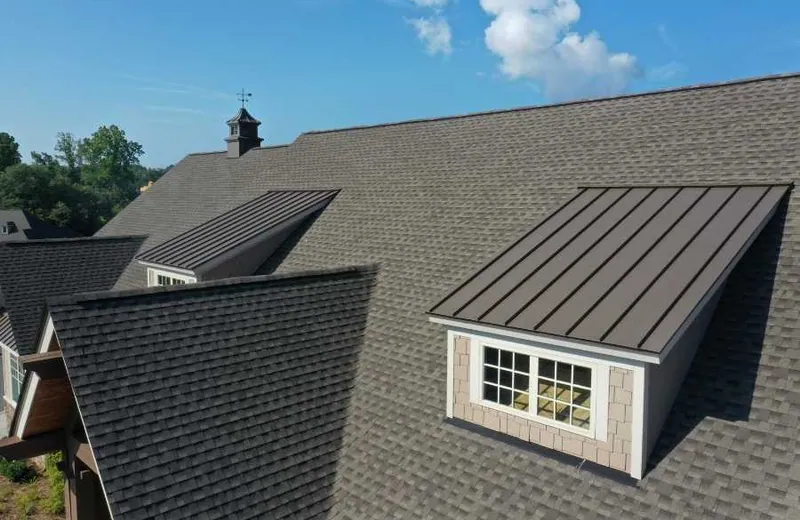
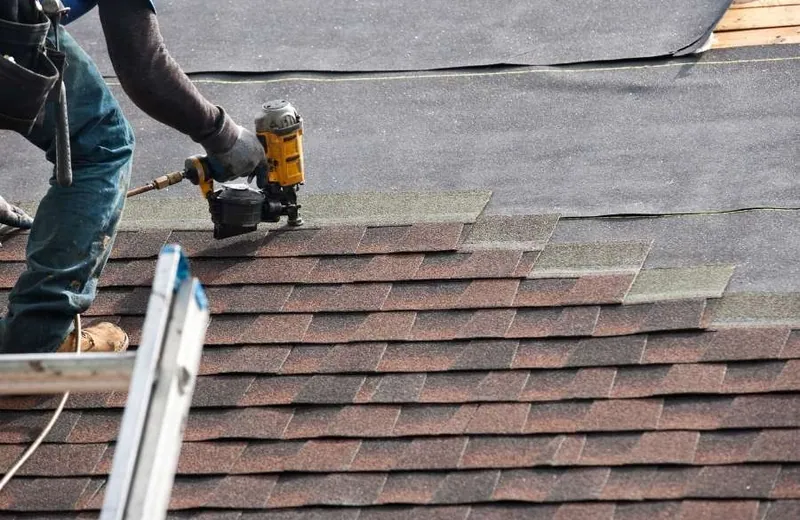
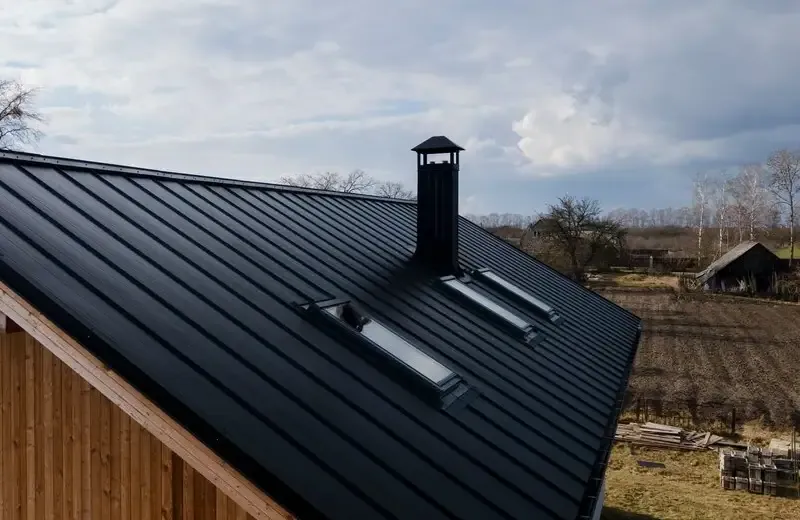
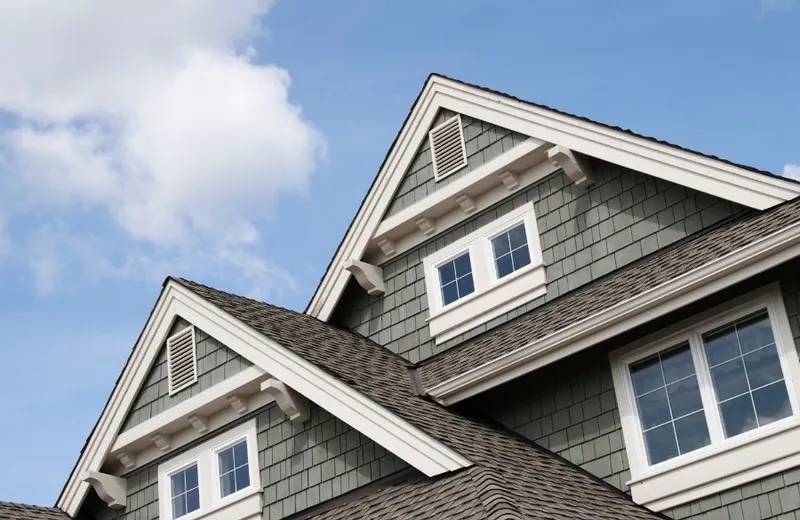
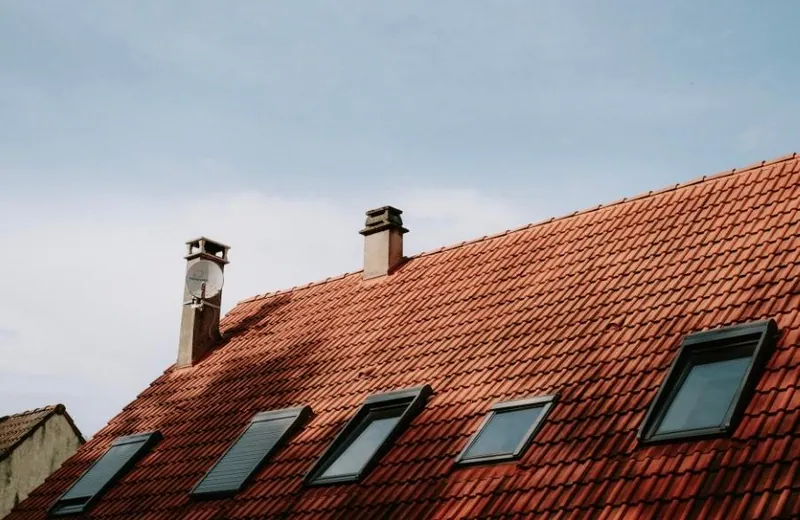
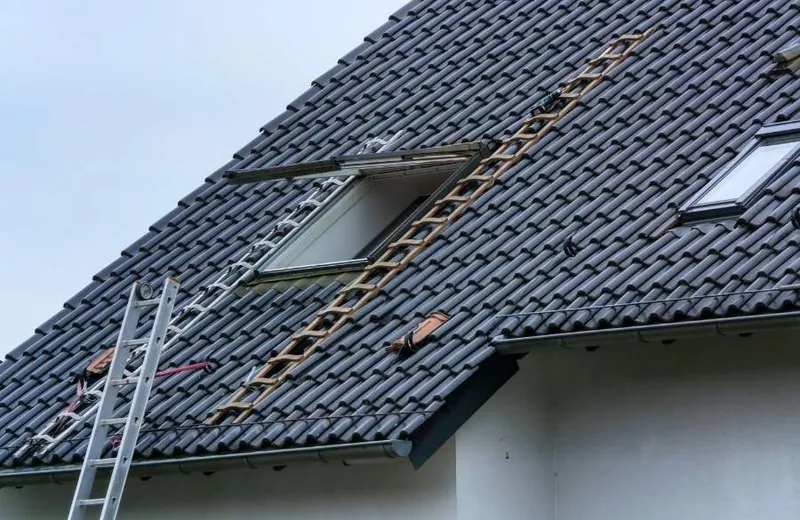
Roofing FAQs for Peachtree Corners Homeowners
How much does a roof replacement cost in Peachtree Corners?
Most full replacements on typical two-story Peachtree Corners homes land between $11,000 and $19,000 with architectural shingles. That covers roughly 2,400–3,000 square feet of roof, a single-layer tear-off and modest decking repairs. Steep, multi-valley roofs, Class 4 impact-resistant shingles, metal or larger homes in Johns Creek and Berkeley Lake can run $22,000–$40,000 or more. Decking is usually the biggest unknown on older homes, so we quote it per sheet up front, typically $75–$120 installed. Financing is available on qualifying projects, and estimates are always free.
How long does a roof replacement take?
The installation itself usually takes one to two days for most homes. Large, complex or steep roofs can take longer, and commercial projects are scheduled around building operations. The steps before installation often take more time than the work itself. Permits through Peachtree Corners or the other city offices, plus HOA color approval in places like Neely Farm or Amberfield, can add one to three weeks. In summer we start early and plan around the radar so the roof is fully dried in before afternoon thunderstorms roll through.
Do I need a permit to replace my roof in Peachtree Corners?
It depends on where your property sits. Peachtree Corners has its own Community Development department, and Norcross, Duluth, Johns Creek, Roswell, Dunwoody, Chamblee, Doraville, Lilburn and Berkeley Lake each run their own building departments. Unincorporated areas fall under Gwinnett or DeKalb County. Each one has its own rules on reroof permits and inspections. We confirm the requirements and pull the permit for you. If you live in Historic Roswell or downtown Norcross, visible material changes may also need a certificate of appropriateness, and we can help with that too.
How do I know if hail damaged my roof?
Usually you can't tell from the ground. Hail bruises fracture the shingle mat and knock granules loose, and the leak may not show up for months. Clues include dented gutters, downspouts or AC fins, granules piling up at downspouts, and dark spots on shingles. After a spring storm in north metro Atlanta, schedule a professional inspection with photo documentation. Do it before signing anything with a door-to-door contractor. Georgia law prohibits contractors from offering to pay or waive your insurance deductible, so treat any such offer as a red flag.
Should I repair my roof or replace it?
If your roof is under about 15 years old and the problem is localized, like a cracked pipe boot, failed chimney flashing or a few blown-off shingles, a repair is usually the smart move. Replacement makes sense when shingles are brittle and losing granules, hail damage covers several slopes, there are leaks in more than one spot, or the decking feels spongy. Many Peachtree Corners homes still have roofs from the early 2000s that are nearing the end of their useful life. We'll show you photos and give you an honest recommendation either way.
How can I make my roof last longer in Georgia's climate?
Keep valleys and gutters clear, especially after spring pine pollen and fall leaf drop. Trim limbs that hang over the roof to reduce storm damage and algae growth. Make sure your attic is well ventilated, since many 1970s–80s homes here trap humid air that rots decking and cooks shingles from below. Have pipe boots and flashing checked every couple of years because the sun cracks rubber fast. When it's time to replace, consider algae-resistant or Class 4 impact-resistant shingles. Routine roof maintenance catches small problems before they turn into leaks.
When should I call for emergency roof service?
Call right away if a tree or large limb has hit your roof, if water is coming through a ceiling or light fixture, if you can see daylight in the attic, or if shingles and decking are exposed after high wind. Delay lets rain soak insulation and drywall and can create electrical hazards. Stay out of rooms with sagging ceilings and keep off the roof. Our emergency roofing service focuses on fast tarping and dry-in, working with tree removal crews, and photo documentation for your insurance claim.
Are you licensed and insured, and how do I avoid storm chasers?
Georgia doesn't issue a state license for roofing-only work, so homeowners need to check credentials themselves. Peachtree Corners Roofing Company is bonded and insured, and we'll provide proof before any work begins. To avoid storm chasers, choose a contractor with a real local presence and get a written, itemized proposal. Never pay in full upfront, and walk away from anyone offering to cover your deductible. Georgia law also lets you cancel an insurance-related roofing contract within a short window if your claim is denied.
Serving Peachtree Corners, GA & Nearby
Get an Honest Look at Your Roof Before the Next Storm
Whether it's a stubborn chimney leak, hail you're not sure about, or a 20-year-old roof that's showing its age, a free inspection gives you real answers and a clear plan.
- ✓Free, no-pressure estimate and roof inspection
- ✓Photo documentation of everything we find
- ✓Honest repair-versus-replace recommendation
- ✓Itemized proposal with per-sheet decking pricing up front
- ✓Permit and HOA approval handled for you
- ✓Bonded and insured crews
- ✓Financing available on qualifying projects
⚡ Tree on your roof or water coming through the ceiling? Call now for emergency tarping and dry-in.
Bonded • Insured